Coming soonBe the first to discover it at the Utrecht Health FairNovember 21 & 22

Water Knowledge / Tap Water
Is it safe to drink tap water in Belgium and the Netherlands?
Short answer: Yes. Tap water is one of the most strictly regulated foods. Still, there are a few things you can control yourself, especially when it comes to your own plumbing.
By Stephan & Sara · Aqua-Vitae · Updated November 2026 · 5-minute read
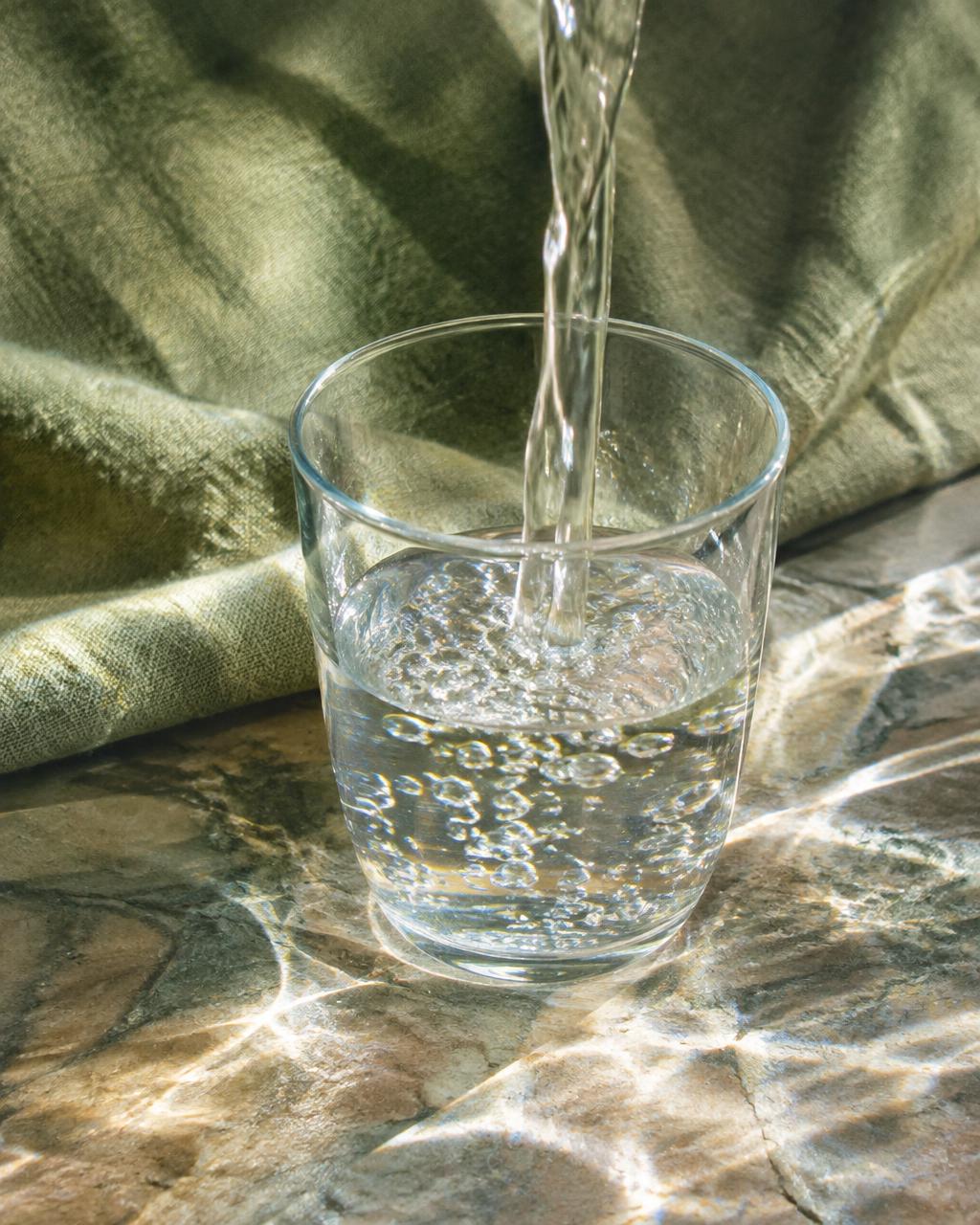
In a nutshell
- Tap water in Belgium and the Netherlands is subject to strict and continuous monitoring.
- The water utility is responsible for the water supply up to your water meter. The pipes inside your home are your responsibility.
- Homes built before 1970 may still have lead pipes.
- If water has been sitting for a long time, it's best to let it run for a moment before drinking it.
Strictly monitored, from source to meter
Drinking water throughout the EU must comply with the Drinking Water Directive. In Belgium and the Netherlands, this directive is implemented through regional and national regulations. Water utilities measure dozens of parameters, ranging from bacteria to metals and residues of crop protection products. The government oversees compliance: in Flanders, the Flemish Environment Agency (VMM) reports annually on drinking water quality, while in the Netherlands, the Human Environment and Transport Inspectorate monitors compliance.
Tap water is also inexpensive. All things considered, you usually pay less than a cent per liter—a fraction of the price of bottled water. And you don't have to lug around bottles.
The last few meters are yours
The water utility's responsibility ends at the water meter. From there, the water flows through your own pipes, and those help determine what comes out of the faucet.
Lead. Until around 1970, lead water pipes were installed in many buildings. Lead can leach into the water, especially when it sits for a long time. The standard for lead in drinking water is 10 micrograms per liter. By January 12, 2036, at the latest, that limit will be reduced to 5 micrograms per liter. In Flanders, 1.1% of tap water samples taken in 2024 exceeded the 10-microgram standard.
Not sure? Lead is soft, dull gray, and non-magnetic. If a magnet doesn’t stick to the pipe and you can easily scratch it with a key to make a shiny mark, it’s likely lead. Your water utility or a plumber can confirm this. A water filter is not a substitute for replacing lead pipes.
Four Simple Habits
- Let water that has been sitting for a long time run for a while—for example, in the morning or after a vacation—until it feels noticeably cooler. You can collect that water for your plants.
- Drink and cook with cold water, not with water from the hot-water faucet.
- Keep your faucet and aerator clean. Descale the aerator every now and then with a little vinegar.
- Check your water utility's website. Enter your ZIP code to find out the composition of your water, including its hardness.
So why use a filter at all?
In Belgium and the Netherlands, you don’t need a filter to ensure safe drinking water. Those who do use one usually do so for personal reasons. Some people find the taste (such as chlorine) unpleasant. Others want to avoid traces of substances like pesticides, medication residues, or PFAS as much as possible. And for some, a filter is primarily a convenient alternative to bottled water. If you choose to use a filter, be sure to ask for independent test results and replace the filters on time.
Sources
This article is for informational purposes only and is not a substitute for medical advice. Last reviewed: November 2026.
Which filter is right for you?
Answer two questions, and the selection guide will show you the model that's right for your household.
See also
More Knowledge About Water

Flavor
Why does tap water sometimes taste like chlorine?
4-minute readRead more →
Lime
Hard or soft water? Here's how to determine water hardness in Belgium and the Netherlands
4-minute readRead more →
Water Quality
Microplastics in drinking water: What do we know, and what don't we know yet?
5-minute readRead more →